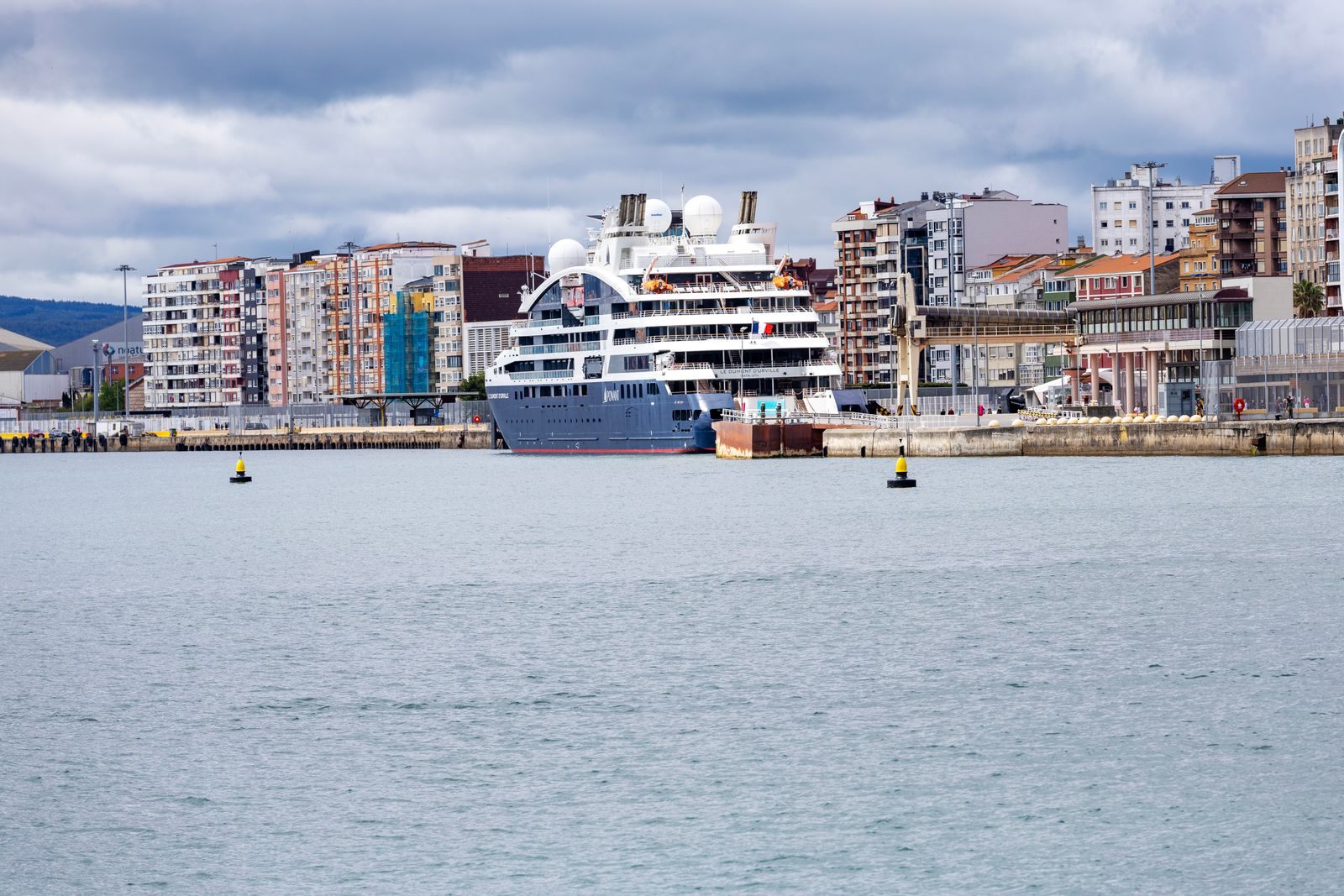
Cruise Ship Classes by Size
Learn the families of ships, and you can compare any two in seconds.
Start Selling CruisesA ship class is a family of ships built to the same basic design. Knowing cruise ship classes by size lets an agent compare ships quickly, set expectations and steer each client toward the right scale of ship.
Cruise Ship Classes by Size: The Broad Bands
| Size band | Typical character | Sells well to | Watch for |
|---|---|---|---|
| Very large (the newest mega-ship classes) | Neighborhood layouts, water parks, many restaurants and shows | Families, multigenerational groups, first-timers who want everything | Crowds at peak times, long walks, busy embarkation |
| Large | Most mainstream classes; plenty of venues without the extremes | Most cruisers, groups, value seekers | Older large ships may lack the newest signature features |
| Mid-size | Premium lines and older mainstream classes; easier to navigate | Couples, longer itineraries, port-focused travelers | Fewer kids’ facilities on some ships |
| Small | Luxury and expedition ships; high space and service per guest | Luxury clients, explorers, travelers who dislike crowds | Limited entertainment, higher fares |
| Very small | Yachts, sailing ships, river and barge vessels | Private groups, slow travel, special-interest clients | Weather sensitivity, few on-board amenities |
Bands are a selling shorthand, not an official scale. The point is to place a ship quickly: when a client says “not too big,” you know which classes to rule out.
Why Class Matters More Than Line
Two ships from the same line can be very different holidays. A line’s newest class may have a water park, a central park and a dozen dining venues; its oldest class may sail shorter itineraries from smaller ports with a more traditional layout. A client who loved one ship may be disappointed on another from the same line if the class is different.
That is why seasoned sellers think in classes. Once you know a class, you can predict the cabin types, the main venues and how the ship feels on a sea day, and you can find the closest alternative when your first choice is sold out.
Questions to Ask About Any Class
- How many ships are in the class, and which is newest?
- What signature venues or activities does the class have, and which ships have been refitted to add them?
- What cabin types are unique to the class, such as interior cabins with a virtual or promenade view?
- Which homeports and itineraries does the class usually sail?
- How does the class handle embarkation, dining and the busiest sea days?
Frequently Asked Questions
How are cruise ship classes measured by size?
Usually by gross tonnage, which measures enclosed volume rather than weight, and by guest capacity. Lines publish capacity at double occupancy; the number on board can be higher when third and fourth berths are filled.
Are all ships in a class identical?
No. Later ships in a class often add features, and older ones may be refitted to match. Always check the specific ship before you promise a client a venue or activity.
For clients who want the consumer version of ship types, point them to our sister site Cruise Institute; for comparing specific lines and ships, Cruise Compares.
Learn the Fleets, Then Sell Them
Be a Travel Agent helps you get set up to sell cruises, with training and support for new sellers.
Become a Travel Agent