
Cruise Product Knowledge for the People Who Sell Cruises
Ship classes, category codes and fare types — explained for agents, not passengers.
Start Selling CruisesThe Product Knowledge That Wins a Cruise Sale
Clients rarely ask an agent to explain the difference between two cruise lines in general terms. They ask, “Is this ship good for my kids?”, “Why is this balcony cheaper than that one?” and “What happens if we cancel?” Answering well takes three kinds of product knowledge, and The Cruise Institute is a free library for each: cruise ship classes by size, cabin category codes, and cruise fare types.
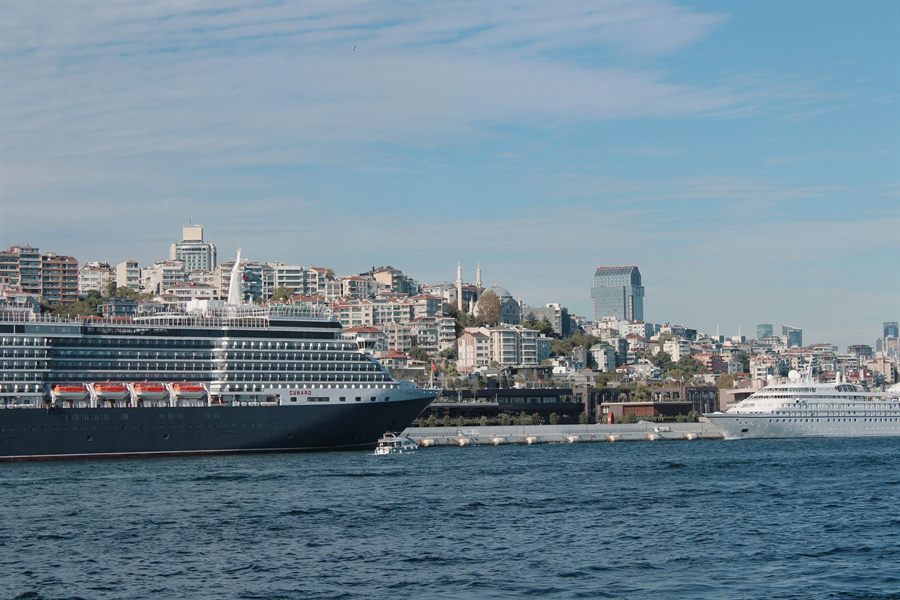
Ship classes
Which ships are sisters, how big each class is, and what that means for the client in front of you.
Cruise ship classes by size →
Category codes
How to read the letters and numbers on a booking screen and explain them in plain words.
Cruise category codes →
Fare types
Refundable and non-refundable deposits, bundles, qualified fares and how to present them.
Cruise fare types →Start With the Two Biggest Fleets
Royal Caribbean and Carnival together carry a large share of North American cruisers, so most new agents meet their ships first. Each has a long history of building ships in families, and each family has its own personality.
Our Royal Caribbean ship classes page covers the line from its Icon and Oasis giants down to the Vision class, and our Carnival cruise ship classes page explains why Carnival’s own site lists ships without class names, and how sellers group them anyway.
The same approach works for every line: find the class, learn its signature features, then learn what sets the ship you are quoting apart from its sisters.

How to Use This Library
- Before a client call: look up the class of every ship you plan to suggest, so you can compare like with like.
- While quoting: keep the category-code page open and translate every code into location, view and size.
- When presenting: show two fare types side by side and explain what the client gives up for the lower one.
- After the sale: note what the client asked that you could not answer, and look it up before the next one.
Product knowledge is one part of selling cruises well. The others — a host agency to book through, training, and a way to find clients — are what Be a Travel Agent helps new sellers set up. For the conversation itself, see Seller of Cruises; for credentials, Cruise Agent University; for selling to groups, Cruise Group Sales.
About The Cruise Institute
Who is The Cruise Institute for?
People who sell cruises or want to: new home-based agents, experienced travel advisors adding cruises, and group organizers who quote cruises for others. Travelers looking for a beginner’s guide should use our consumer sister site, Cruise Institute.
Is this a course or a certification?
No. It is a free reference library. For formal training and credentials, see Cruise Agent University and Master Cruise Counselor in our network.
Why learn ship classes instead of individual ships?
Ships of the same class share most of their layout, cabin types and signature features. Learning a class once lets you speak confidently about several ships, including ones you have never boarded.
The Cruise Institute is part of the Smart Traveler network, led by Mister Cruise. He has sold travel since 1972 and worked full-time in the industry since 1977. He has sold or originated more than $500 million in cruises and has trained more than 500 travel agents.
Agents who want to build their product knowledge inside a working cruise team can begin at Be a Travel Agent. Meet Mister Cruise →
More Cruise Sites From Our Network
Put Your Product Knowledge to Work
Be a Travel Agent helps new and part-time sellers get started with a host agency, training and support.
Become a Travel Agent